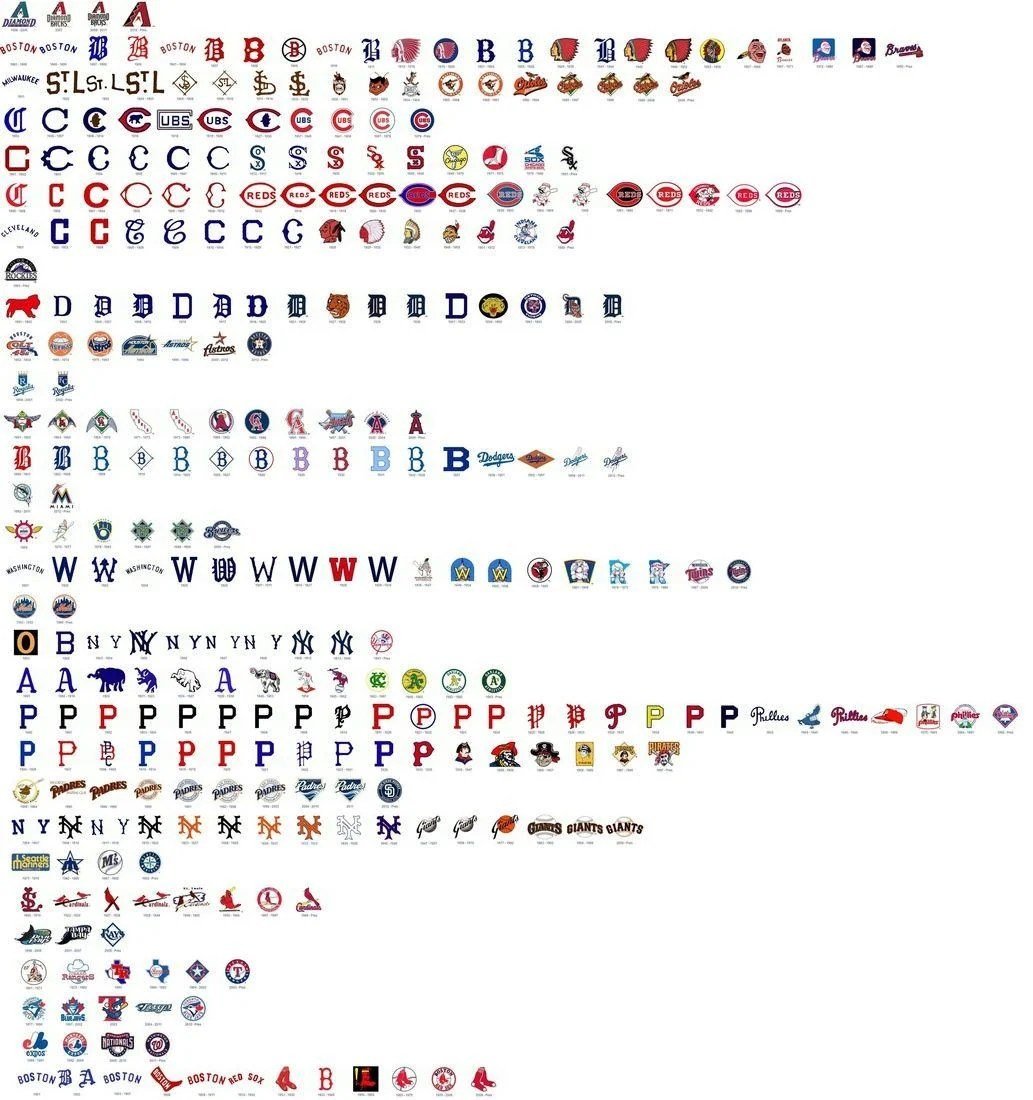
Ever wondered what it would be like to rewrite baseball history? To pluck a legendary team from the annals of time and pit them against an unknown rival, or to simply discover the rich legacy behind your next favorite club? That's the thrilling premise at the heart of Exploring Historical MLB Random Team Generation. This isn't just about picking names out of a hat; it's a dynamic gateway to understanding, simulating, and celebrating the storied world of Major League Baseball.
Whether you're a lifelong fan, a budding baseball historian, a fantasy league commissioner, or just someone looking for a fun way to engage with America's pastime, a robust random team generator tool offers an incredibly versatile and engaging experience. It’s a mechanism for fairness, a spark for creativity, and a treasure trove of information, all rolled into one.
At a Glance: Your Guide to Random MLB Team Generation
- What it is: A digital tool that randomly selects one of the 30 current MLB teams, offering detailed historical and current information about the chosen team.
- Why use it? Perfect for fair team assignments, enhancing gaming experiences (like fantasy baseball or MLB The Show), learning MLB history, or finding a new team to follow.
- Key Features: Smart filtering by league/division, custom team selection, true randomness, comprehensive team database, mobile-friendly, completely free, and no registration needed.
- How it works: Filter your options, click 'Generate,' and instantly get a team with stats, history, and stadium details.
- Beyond Randomness: Leverage the tool to craft historical simulations, deepen your trivia knowledge, or add an unpredictable twist to your baseball discussions.
The Unseen Value of a Random Team Selector
At first glance, a random team generator might seem like a simple novelty. You click a button, a team name pops up – what's the big deal? The true power, however, lies in its capacity to democratize choice, introduce unbiased variables, and unlock new avenues for engagement. For a sport steeped in tradition, rivalries, and statistics like baseball, a tool that can randomly assign a team, then furnish you with its historical context, transforms a casual interaction into an opportunity for deep dive and discovery.
Imagine needing to assign teams for a neighborhood wiffle ball league, or perhaps you're setting up a simulated tournament in your favorite baseball video game. Manual selection can lead to perceived biases or tedious negotiations. A random generator cuts through all that, ensuring every team gets an equal, fair shake.
Decoding the MLB Roster: Which Teams Are in Play?
A truly comprehensive MLB random team generator includes every single one of the 30 current Major League Baseball teams. This ensures you're drawing from the complete landscape of professional baseball, covering both the American League (AL) and the National League (NL), divided across their respective East, Central, and West divisions. No team is left out, meaning every generation offers a full spectrum of possibilities, from storied franchises to up-and-coming contenders.
Let's break down the full lineup you'll encounter:
American League (AL) Teams
The AL is known for its designated hitter rule and a history filled with iconic sluggers and dominant pitchers. Its 15 teams are organized into three divisions:
- AL East:
- Baltimore Orioles
- Boston Red Sox
- New York Yankees
- Tampa Bay Rays
- Toronto Blue Jays
- AL Central:
- Chicago White Sox
- Cleveland Guardians
- Detroit Tigers
- Kansas City Royals
- Minnesota Twins
- AL West:
- Houston Astros
- Los Angeles Angels
- Oakland Athletics
- Seattle Mariners
- Texas Rangers
National League (NL) Teams
The NL, with its tradition of pitchers hitting (though this is evolving), boasts a different strategic flair. Its 15 teams are equally divided:
- NL East:
- Atlanta Braves
- Miami Marlins
- New York Mets
- Philadelphia Phillies
- Washington Nationals
- NL Central:
- Chicago Cubs
- Cincinnati Reds
- Milwaukee Brewers
- Pittsburgh Pirates
- St. Louis Cardinals
- NL West:
- Arizona Diamondbacks
- Colorado Rockies
- Los Angeles Dodgers
- San Diego Padres
- San Francisco Giants
This comprehensive list forms the backbone of the generator, ensuring that every time you click, you're engaging with a legitimate, vibrant part of MLB history and its ongoing story.
Your Playbook: Seamlessly Using the Generator
Operating a high-quality random team generator should be intuitive, removing any friction between you and your baseball exploration. The best tools are designed for simplicity without sacrificing powerful features.
Here's a step-by-step guide to putting this powerful tool to work:
- Tailor Your Pool (Optional): Don't want to choose from all 30 teams? Most generators allow you to filter your selection. You might, for instance, limit your options to only American League teams, or even just the NL East. You can also manually check or uncheck specific teams to create a truly bespoke list.
- Generate Your Team: With your selection criteria set (or left at the default "all teams"), simply click the 'Generate Team' button. The magic happens instantly.
- Explore the Details: The selected team will be displayed, often accompanied by a rich array of information. This isn't just a name; you’ll typically find details like the team's founding year, historical World Series wins, their home stadium, primary colors, and even key rivalries. This is where the "historical" element truly begins to shine.
- Share Your Discovery: Found a fascinating tidbit or want to challenge a friend? The generated team details are usually copy-friendly, making it effortless to share your random pick and its accompanying insights across social media, messaging apps, or email.
- Quick Search (For the Curious): A good generator often includes a quick search function, allowing you to instantly pull up details on any specific team without needing to go through the random generation process. Handy for a quick fact-check!
The beauty of this process is its blend of simplicity and depth. You get a random outcome, but that outcome is immediately enriched with context, providing a launching pad for deeper dives.
More Than Just a Random Pick: Advanced Features That Elevate the Experience
What sets an exceptional random team generator apart from a basic script? It's the thoughtful integration of features that enhance utility, ensure reliability, and provide a richer user experience.
Here are the hallmarks of a top-tier tool for generating a random MLB team:
- Smart Filtering by League and Division: As mentioned, the ability to narrow your selection by AL/NL or specific divisions is crucial for targeted simulations or focused learning. This isn't just a gimmick; it's a strategic control panel.
- Custom Selection of Teams: Sometimes, you want to exclude certain teams or include only a select few. The freedom to check/uncheck individual teams offers unparalleled customization for your specific needs.
- True Randomness and Equal Probability: For fairness and genuine unpredictability, the algorithm must ensure that every chosen team has an exactly equal chance of being selected. This is the bedrock of any truly useful randomizer.
- Comprehensive Database with Up-to-Date Information: The generator relies on a robust backend of data. This means not just current team names but also updated World Series counts, stadium names, and other relevant facts.
- Historical Insights and Detailed Team Information: Beyond current stats, the real magic for "Exploring Historical MLB Random Team Generation" lies here. Founding years, championship histories, and notable eras associated with a team provide the rich context needed for historical simulations or educational purposes.
- Generation Statistics: Tracking how many times you've generated a team or showing your last selection can be a fun, subtle feature that adds a personal touch to your usage.
- Mobile Optimized: In today's world, accessibility on any device is paramount. A mobile-optimized design means you can generate a team on your phone, tablet, or desktop with equal ease.
- Completely Free and No Registration Required: The best tools remove barriers to entry. Access to such a valuable resource should be unrestricted, allowing anyone to jump in and start exploring.
These features collectively transform a simple randomizer into a powerful, user-friendly portal for engaging with the depth and breadth of Major League Baseball.
Unleashing Your Inner Historian: Beyond the Box Score with Simulations
This is where "Exploring Historical MLB Random Team Generation" truly comes alive. While the generator provides current teams and their historical facts, the real historical simulation comes from your imagination and research. The tool acts as your unbiased team selector, and then you, the visionary, bring that team's past to life.
Consider these powerful use cases and actionable insights:
1. Learning About MLB Teams and Their History
- Actionable Insight: Generate a random team each day and spend 10-15 minutes researching its most iconic players, famous games, or defining eras. You'll quickly build an incredible knowledge base.
- Example: You generate the "Cleveland Guardians." You might then research their 1948 World Series win, the glory days of Bob Feller, or their more recent successes in the 1990s.
2. Generating Random Teams for Games or Simulations
This is perhaps the most popular application, adding a layer of fairness and excitement to various gaming scenarios.
- Fantasy Baseball Drafts: Instead of manually assigning divisions or team identities, use the generator. "Okay, Bill, you've got the Toronto Blue Jays this season!"
- MLB The Show Tournaments: Randomized team assignments keep competitive play fair and force players to adapt to different rosters and team strengths.
- Custom Leagues: Creating your own league structure? Generate teams to populate divisions or conferences, ensuring no favoritism.
3. Discovering New Teams to Follow for Casual Fandom
Feeling stuck with your current team, or simply new to baseball and unsure where to start?
- Actionable Insight: Generate a team you've never paid much attention to. Dive into their current season, check out their roster, and explore their fan base. You might just find your new favorite club!
- Example: You randomly get the "Milwaukee Brewers." You discover their passionate fans, their exciting young talent, and their unique ballpark atmosphere.
4. Educational or Trivia Purposes
For educators, trivia enthusiasts, or just curious minds, the generator is a goldmine.
- Randomized Trivia Rounds: "Okay, for this round, your team is the Arizona Diamondbacks. Quick: What year did they win their only World Series?" (Answer: 2001)
- Classroom Engagement: Teachers can assign random teams for student projects on regional history, sports economics, or even graphic design (creating new team logos).
5. Randomizing Draft Orders and Assigning Teams Fairly
Beyond just games, this ensures equity in any group setting.
- Actionable Insight: Hosting a friendly competition or a new league? Use the generator to randomize draft positions or assign teams for a truly unbiased start. This eliminates arguments and builds goodwill.
6. Adding Variety to Gaming and Exploring Team Rivalries and Stats
Break out of your comfort zone and deepen your appreciation for the complexities of MLB.
- Actionable Insight: Generate two random teams and then research their historical head-to-head records or famous rivalries. Imagine a "what if" scenario between a historically dominant version of one team and the current roster of another.
- Example: You generate the "New York Yankees" and the "Boston Red Sox." Now you can delve into their iconic rivalry, perhaps simulating a dream playoff series using historical rosters or modern ones.
Crafting Your Own Historical Narratives
The "Historical" in "Exploring Historical MLB Random Team Generation" isn't just about static facts; it's about the dynamic potential unlocked by those facts. When the generator hands you the "Cincinnati Reds," it's not just the current roster. It's an invitation to explore the "Big Red Machine" of the 1970s, the magical 1990 team, or the very origins of professional baseball itself.
Think of it as choosing a historical character for a play. The generator picks the character (the team), and then you, the playwright, delve into their backstory, their triumphs, and their challenges.
Ideas for Historical Play:
- The "Peak Year" Challenge: Generate a team, then identify its historical "peak year" (e.g., the 1927 Yankees, the 1984 Tigers, the 1998 Yankees). How would that peak team fare against other randomly generated peak teams in a simulated tournament?
- Generational Clashes: Generate a team. Then, pick a historical roster from that team's past (e.g., the 1950s Brooklyn Dodgers) and pit them against their current incarnation in a hypothetical matchup.
- "Lost History" Expeditions: Generate a lesser-known team (e.g., the Oakland Athletics). Research their most significant historical moments, even if they didn't lead to a World Series. What are the unsung heroes and overlooked narratives?
- Rivalry Reimagined: Generate two rival teams. Pick a pivotal historical game between them and research the strategic decisions, key players, and fan reactions.
These exercises move beyond mere data consumption into active engagement with baseball's vibrant past, all starting with a single, unbiased click.
Common Questions About Random Team Generation
When diving into a new tool, it's natural to have questions. Let's address some common queries about random MLB team generators.
"Is the randomness truly fair?"
Yes, a high-quality generator ensures "true randomness" with an "equal selection probability for each chosen team." This means the algorithm isn't biased towards popular teams or against struggling ones. Every team in your selected pool has an identical chance of being picked.
"How accurate is the team information provided?"
Reputable generators pull from "a comprehensive database with up-to-date information." This means details like World Series wins, stadium names, and founding years are typically accurate and regularly maintained. For historical context or deeper dives, it's always good practice to cross-reference with official MLB archives or trusted baseball encyclopedias.
"Can I use this for real-money fantasy leagues?"
While the generator is excellent for assigning teams or draft orders fairly in fantasy baseball, you should always adhere to the specific rules and guidelines of any real-money league platform you're using. The generator is a tool for unbiased selection, not a replacement for official league processes.
"What if I accidentally generate a team I don't like?"
That's part of the fun! If you're using it for discovery or a game, embrace the challenge. If you're customizing a list for a specific purpose, you always have the option to "customize selection by checking/unchecking specific teams" before you generate.
"Is it hard to use on my phone?"
No, the best tools are "mobile optimized," designed to be fully functional and user-friendly on any device, from a small smartphone screen to a large desktop monitor.
Taking Your Baseball Journey to the Next Level
The world of Major League Baseball is a tapestry woven with rich history, unforgettable moments, and passionate rivalries. Exploring Historical MLB Random Team Generation offers you a unique thread to pull, allowing you to unravel these stories in an engaging, unpredictable way. It's a tool that respects the game's past while fueling future discoveries and interactions.
Whether you're looking to settle a friendly debate, spice up your gaming, or simply deepen your appreciation for every franchise that graces the diamond, this approach empowers you. It turns a simple click into an invitation—an invitation to research, to imagine, and to connect with the timeless spirit of baseball. So, go ahead, give it a whirl. Your next favorite team, historical deep dive, or simulation challenge is just a click away.